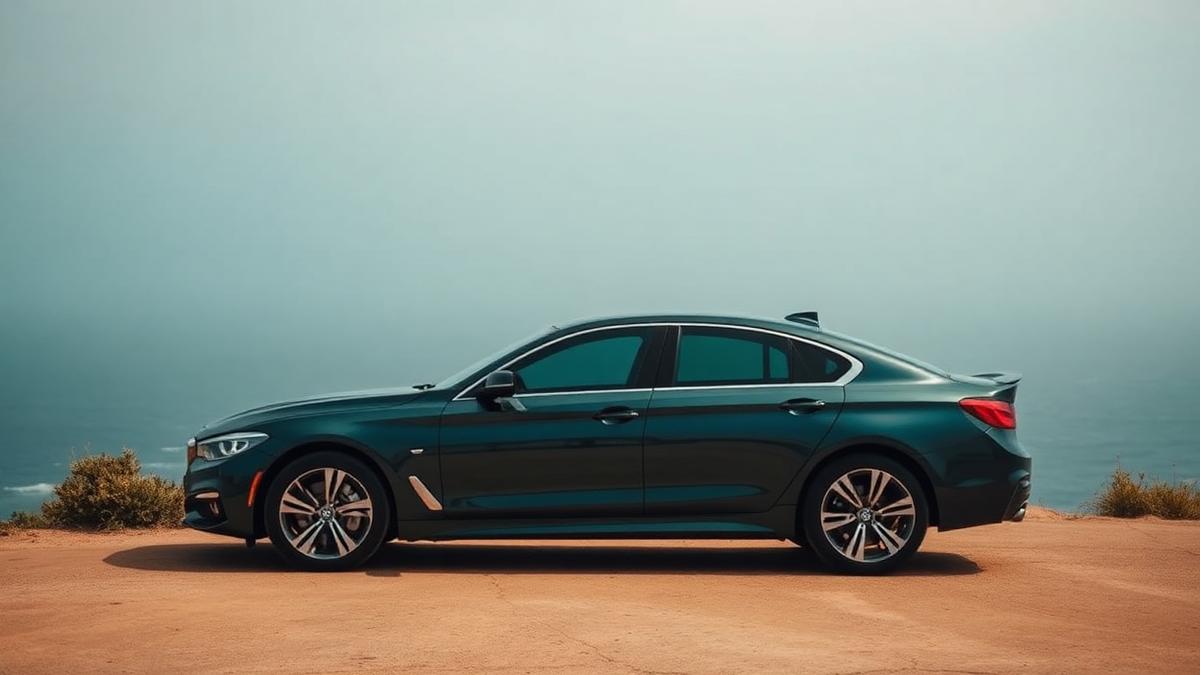
Best Window Tint for Coastal Salt Air and Sun in North County
Buyer's GuideJune 19, 20266 min read
Salt air, marine layer, and relentless UV are hard on cheap tint. Here's which film holds up in coastal North County San Diego and why.
**Short answer:** for cars parked within a mile of the coast, carbon or ceramic film with a quality adhesive system is the right call. Dyed film fades and delaminates fastest in salt air plus UV cycling.
Why coastal cars are harder on film
Salt film on glass affects adhesive bonding if the glass isn't prepped properly
Morning marine layer means constant moisture-and-dry cycling
Afternoon sun off the water hits hard even on "cool" days
Sand and grit make careless cleaning scratch the film's hardcoat
What we recommend by location
**Beachfront (Leucadia, Cardiff, Oceanside Strand, Del Mar):** ceramic, 70% front / 20% rear
**Within 2 miles (Encinitas, Carlsbad Village, Solana Beach):** carbon or ceramic
**Inland (Vista, San Marcos, Rancho Santa Fe):** ceramic pays off most here — inland heat is a different animal
Film features that matter on the coast
Scratch-resistant hardcoat (protects against sand-grit wiping)
Pressure-sensitive adhesive rated for humidity cycling
Metal-free construction — no corrosion concerns, no signal interference
Lifetime warranty covering delamination, not just color change
Care that makes coastal tint last
Rinse salt off glass before wiping — never dry-wipe sandy glass
Ammonia-free cleaner only
Microfiber, not paper towels
Crack windows on hot days to reduce interior heat load
FAQ
Does salt air actually damage tint?
Not directly — but salt plus grit plus improper cleaning wears the hardcoat, and poor prep on salty glass weakens the bond.
What VLT works best near the beach?
70% up front for glare without darkness, 20% rear for privacy and heat.
Ready to tint your ride?
Coastal Tint is North County San Diego's mobile window tint specialist. We come to your driveway with premium film and a lifetime warranty.